
After months of steady rain and winter weather, spring is when many commercial property owners start to see how well their roof really held up. In Southwest Washington, extended moisture and temperature changes can quietly put stress on flat and low-slope roofing systems, often without obvious signs at first.
TPO and flat roof maintenance helps catch those early issues before they turn into costly repairs. From clogged drainage systems to membrane wear and seam separation, spring inspections give you a clear picture of your roof’s condition and what needs attention moving forward.
Routine commercial flat roof maintenance focuses on keeping water moving properly, reinforcing vulnerable areas, and protecting your building from long-term damage. In this guide, Alfred’s Roofing walks through the five most common issues we see in spring and how proactive maintenance helps extend the life of your roofing system.
Why Spring is The Best Time for TPO and Flat Roof Maintenance
Spring is one of the most important times to evaluate your commercial roof’s condition after months of rain, snow buildup, temperature shifts, and wind exposure. In Southwest Washington, extended winter moisture can put added strain on flat and low-slope roofing systems, often revealing early signs of wear that were not visible during colder months. As temperatures rise, it becomes easier and safer to inspect your roof’s surface, drainage systems, and seams, making spring the ideal time for a professional evaluation.
Addressing small roofing issues in spring helps prevent costly damage later in the year.
Scheduling TPO and flat roof maintenance in spring allows roofing professionals to identify and resolve minor concerns before they develop into leaks or structural issues. Routine commercial flat roof maintenance supports proper drainage, reinforces vulnerable areas, and helps protect your building’s insulation, decking, and interior from moisture-related damage. For a complete evaluation, scheduling a professional roof inspection helps ensure no underlying issues are missed.
Five Common TPO and Flat Roof Maintenance Issues in Spring
During commercial flat roof maintenance, roofing professionals often identify common issues that, when addressed early, help prevent further damage and extend your roof’s lifespan. In Southwest Washington, spring inspections are especially important for catching problems caused by months of rain and moisture exposure.
Most flat roof failures start as small drainage or seam issues that go unnoticed.
Clogged Roof Drains and Scuppers
Compared to steep-slope roofs, flat roofing systems depend on internal drains, scuppers, and downspouts to remove water efficiently. After months of rain, debris such as leaves, dirt, and small branches can clog drainage paths, preventing water from properly exiting your commercial flat roof.
During spring flat roof maintenance, Alfred’s Roofing clears drainage systems and scuppers to restore proper water flow and help prevent water from pooling in vulnerable areas.
Ponding Water on Flat Roofs
When water remains on your roof surface for more than 48 hours after rainfall, it can lead to ponding. While TPO and flat roofing systems are designed to resist moisture, prolonged ponding can weaken seams and place added stress on your roofing structure over time.
During routine commercial flat roof maintenance, our team looks for signs such as discolored membrane areas, soft or spongy sections, and algae or surface deterioration. We then address ponding through drainage improvements, minor slope corrections, or targeted membrane reinforcement.
Lifted or Separated TPO Seams
TPO roofing systems are known for strong, watertight, heat-sealed seams. Over time, these seams can lift or separate due to temperature changes, UV exposure, and high winds.
Spring is an ideal time to inspect and re-weld loose seams and reinforce lifted areas. Addressing seam issues during TPO roof maintenance helps preserve your roof’s integrity and prevent future leaks.
Flashing Damage Around Rooftop Equipment
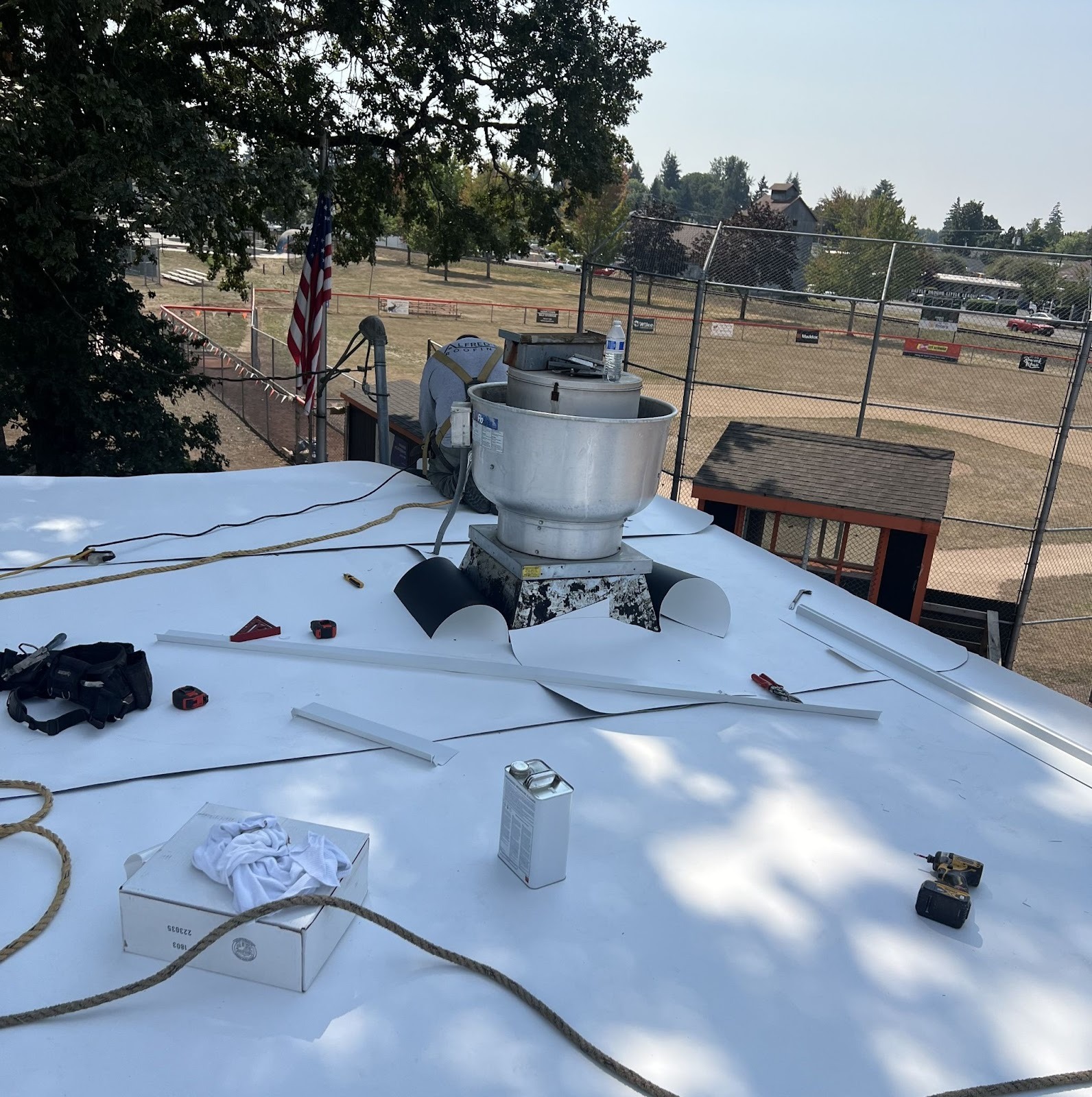
Commercial flat roofs often include rooftop equipment such as HVAC units, vents, and skylights. Flashing is installed around these penetrations to create a watertight seal where components meet the roof surface.
Routine flat roof maintenance helps identify issues around HVAC curbs, vent pipe boots, parapet walls, and frequently serviced equipment. Spring maintenance ensures flashing remains properly sealed and secured ahead of harsher weather conditions.
Membrane Punctures and Surface Wear
Regular foot traffic and ongoing HVAC servicing can place added stress on your commercial roof. Over time, dropped tools, sharp debris, and fallen branches can puncture the membrane, creating entry points for water intrusion.
During spring flat roof maintenance, roofing professionals identify and repair small punctures before they expand into larger issues. Addressing surface wear early helps protect your property and avoid more extensive repairs.
Catching these issues early through professional flat roof maintenance helps you stay ahead of costly repairs and avoid disruptions to your property or business operations.
What to Expect from Professional Flat Roof Maintenance
After identifying common issues like clogged drains, ponding water, and membrane wear, the next step is addressing them through routine flat roof maintenance. For commercial properties, this process focuses on evaluating your entire roofing system and resolving small concerns before they develop into larger problems.
Professional commercial flat roof maintenance typically includes clearing drainage systems, inspecting seams and flashing, and identifying areas of wear across the membrane. These services are designed to keep your roof performing reliably while reducing the risk of leaks and ongoing damage.
How Flat Roof Maintenance Benefits Commercial Properties
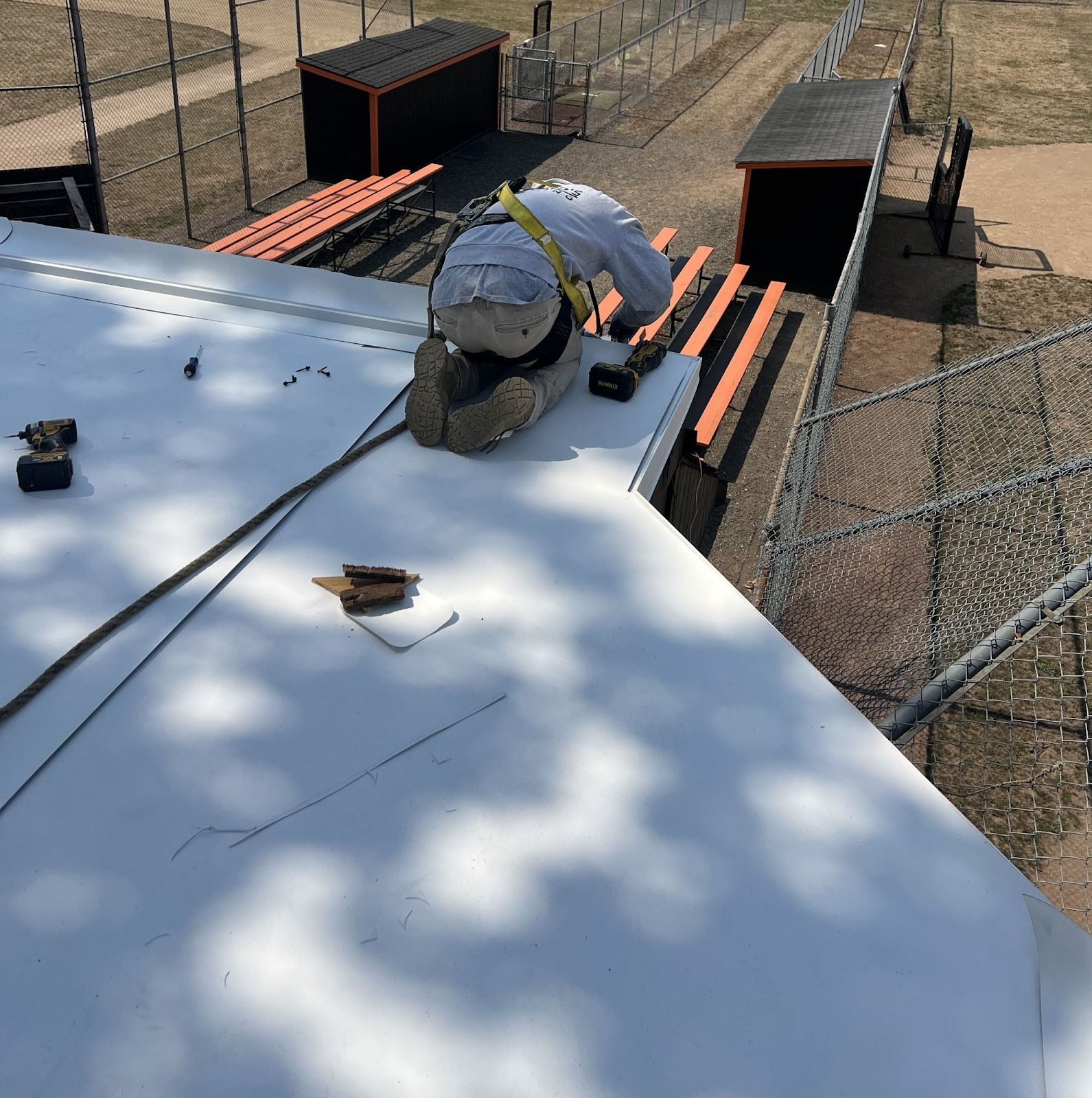
Routine commercial flat roof maintenance helps extend the life of your roofing system by addressing small issues before they lead to larger problems. In Southwest Washington, consistent exposure to rain and moisture makes proactive maintenance especially important for protecting your building and avoiding unexpected repairs. For property owners, staying ahead of maintenance also supports long-term performance and cost control.
Consistent flat roof maintenance is one of the most effective ways to reduce long-term repair costs and protect your investment.
Professional flat roof maintenance provides several key benefits, including:
- Early issue detection: Identify and address small concerns before they develop into leaks or structural damage.
- Membrane protection: Preserve the integrity of your TPO or flat roof membrane for longer-lasting performance.
- Warranty support: Help maintain manufacturer warranty requirements through routine inspections and care.
- Fewer emergency repairs: Reduce the likelihood of unexpected service calls and business disruptions.
- Interior protection: Safeguard insulation, equipment, and interior spaces from water intrusion.
- Improved energy efficiency: Support consistent indoor temperatures and reduce heating and cooling strain.
For commercial property owners, proactive flat roof maintenance is a practical way to protect performance, control costs, and plan ahead with confidence.
TPO and Flat Roof Maintenance FAQs
How often should commercial flat roof maintenance be scheduled?
Commercial flat roof maintenance should typically be scheduled at least twice per year, usually in spring and fall. Additional inspections are recommended after heavy rain or severe weather to catch potential damage early.
What is included in flat roof maintenance services?
Flat roof maintenance services usually include clearing debris from drains and scuppers, inspecting seams and flashing, checking for ponding water, and identifying membrane damage or wear.
Can small flat roof issues be repaired without full replacement?
Yes, many flat roof issues such as loose seams, minor leaks, or membrane damage can be repaired without needing a full roof replacement. Addressing these early helps extend the life of your roofing system.
How do I know if my flat roof needs maintenance?
Common signs include standing water, clogged drains, visible membrane damage, interior leaks, or increased energy costs. A professional inspection can confirm if maintenance is needed.
Do I need a permit for spring roof maintenance in Southwest Washington?
Most routine maintenance, such as cleaning and minor repairs, does not require a permit. However, larger structural repairs or roof replacements may require approval based on Washington’s local regulations.
Why Professional Flat Roof Maintenance Matters for Commercial Properties
Flat roof maintenance requires a trained eye to identify issues early and prevent them from developing into larger problems. For commercial properties, TPO membranes, drainage systems, and flashing must work together to maintain performance and prevent ongoing damage.
Because flat roofing systems rely heavily on proper drainage and surface condition, even small issues can lead to long-term wear if not addressed correctly. Professional commercial flat roof maintenance focuses on identifying root causes and applying the right solutions to keep your roof functioning as intended.
In Southwest Washington, working with an experienced roofing contractor also ensures your maintenance approach accounts for extended rainfall and seasonal changes. This helps your roof handle moisture exposure more effectively over time.
At Alfred’s Roofing, our team has served Southwest Washington since 1994, providing commercial flat roof maintenance services with a focus on thorough inspections, practical recommendations, and clear guidance.
Schedule Your Flat Roof Maintenance This Spring
Flat roof maintenance helps restore and protect your commercial roofing system after months of rain and winter weather. Addressing issues like clogged drains, ponding water, lifted seams, and flashing damage early helps prevent larger repairs and keeps your building operating without disruption.
If your commercial property in Southwest Washington is due for service, Alfred’s Roofing provides professional commercial flat roof maintenance with clear recommendations and reliable results. Call (360) 605-5851 to schedule a roof inspection and get started.
