

Winter roof replacement in Washington is more common than many homeowners expect, especially when leaks, storm damage, or aging materials cannot wait until spring. While colder weather adds a few planning considerations, replacing a roof during winter in WA is often a practical and timely solution when done with the right team and right approach.
At Alfred’s Roofing, we often hear homeowners ask, “Can you replace roof in winter?” The answer is yes, as long as you have the proper planning, the right roofing materials, and a local contractor who understands how Washington’s winter weather affects installation. In many cases, addressing roof issues sooner helps prevent further water damage and interior problems during the rainy season.
This checklist breaks down what to expect from a winter roof replacement, how to prepare your home, and which roofing materials perform best in wet, cold conditions. If you are weighing whether winter is the right time for your project, this guide is designed to help you make a confident, informed decision.
Can You Replace a Roof During Winter in Washington?
Yes, you can replace a roof during the winter season, and in many cases, it makes sense to do so. While some homeowners assume roofing work has to wait until spring, modern roofing materials and installation methods are designed to perform well in colder conditions. With proper planning and an experienced contractor, winter roof replacement can be completed safely and successfully even when temperatures drop.
In Southwest Washington, winters tend to bring freezing temperatures, rainfall and even occasional windstorms. While these conditions require additional planning, they are manageable when the project is scheduled carefully and handled by a local roofing contractor familiar with seasonal challenges.
Here are a few reasons why homeowners choose winter roof replacement in WA:
- Roof leaks or damage often cannot wait until spring.
- Roofing companies may have more flexibility when scheduling inspections and replacement projects.
- Many modern roofing materials are weather resistant and can be installed efficiently during winter.
Timing and safety are always important during winter roof replacement. Professional roofing teams like ours will monitor weather conditions closely and plan work around clear, dry days whenever possible. If unsafe conditions arise, such as ice, heavy snowfall, or high winds, installation is rescheduled to protect both your property and the crew.
Pros and Cons of Winter Roof Replacement in WA
Deciding whether to replace your roof during winter comes down to weighing urgency against seasonal considerations. For some homeowners, waiting until spring makes sense. For others, addressing roofing issues sooner helps prevent additional damage during Washington’s wet winter months.
The following pros and cons are meant to help you evaluate whether winter roof replacement in WA is the right choice for your home.
Advantages of Replacing a Roof During Winter
One practical advantage of winter roof replacement is scheduling. Roofing contractors tend to have more availability outside of peak spring and summer seasons, which can make it easier to schedule inspections and move projects forward without long wait times.
Winter replacement can also be beneficial when a roof shows active problems. Ongoing leaks, sagging areas, or aging materials can allow moisture to enter the home during heavy rain. Addressing these issues sooner can help limit water damage and reduce the risk of mold development before winter conditions worsen.
From an installation standpoint, many modern roofing systems are designed with cooler weather in mind. Asphalt shingles and underlayment products used today are manufactured to remain workable at lower temperatures, allowing safe installation when weather conditions are suitable.
Considerations and Limitations of Winter Roof Replacement
While winter roof replacement is achievable, it does require additional planning. Weather conditions can be unpredictable, and short delays may occur if rain, ice, or wind creates unsafe working conditions. A local roofing contractor familiar with winter installations in WA can plan projects around these variables.
Some materials, such as sealants and adhesives, may also take longer to cure in cooler temperatures. This does not prevent installation, but it does require proper scheduling and material selection to ensure long-term performance.
Safety is another important consideration. Wet or icy surfaces increase risk during installation, which is why experienced crews take extra precautions and may pause work when conditions are not ideal.
Across communities like Vancouver, Battle Ground, and Brush Prairie, winter roof replacement is commonly completed when these factors are properly accounted for and the project is planned with seasonal conditions in mind.
Preparation for Winter Roof Replacement
Before scheduling a winter roof replacement, it is important to evaluate whether your home and roof are ready for installation during colder months. The following considerations can help you determine if winter roof replacement in WA is a practical option for your situation and what factors may affect the project’s success.
Roof Condition
The current condition of your roof is one of the most important factors to evaluate. Missing shingles, active leaks, sagging areas, or a roof that is more than 20 years old often signal that replacement should not be delayed. During winter, unresolved issues can worsen quickly due to frequent rain and moisture exposure. A professional roof inspection can help confirm whether your roof is suitable for winter replacement and identify any underlying concerns that need to be addressed.
Attic Ventilation and Insulation
Attic ventilation and insulation play a larger role during winter roofing projects than many homeowners realize. Poor airflow or trapped moisture can contribute to heat loss, condensation, and long-term roofing problems. Evaluating attic conditions before replacement helps ensure the new roof performs as intended and supports energy efficiency throughout colder months. An experienced roofing contractor will assess ventilation and insulation as part of the overall preparation process.
Roofing Material Selection
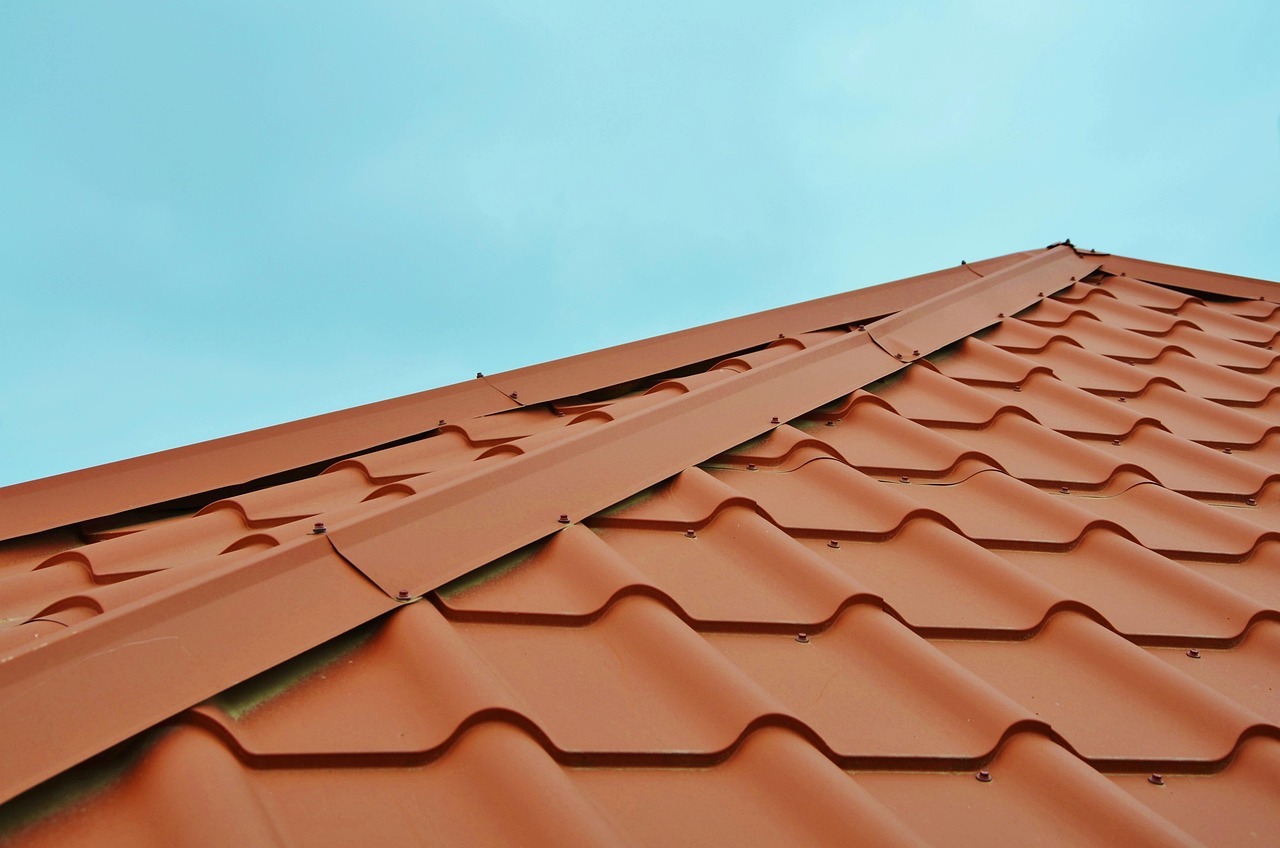
Not all roofing materials perform the same during winter installation. Asphalt shingles remain a common and practical option, as many modern products are designed to stay flexible in cooler temperatures when installed correctly. Metal roofing is also a strong choice for winter conditions, particularly due to its durability and ability to shed moisture efficiently. Selecting materials that are well suited to Washington’s winter climate helps support proper installation and long-term roof performance.
Choosing the Best Roof for Winter in Washington
If you are planning a roof replacement during the colder months, selecting a material that performs well in winter conditions is an important part of the decision. Different roofing systems respond differently to moisture, temperature changes, and installation timing, especially in Southwest Washington’s climate.
Below is a comparison of several roofing options homeowners commonly consider when planning winter roof replacement in WA.
- Asphalt Shingles: A widely used option that remains a practical choice for winter replacement. Many modern shingles are designed to stay flexible in cooler temperatures and offer dependable weather resistance when installed under the right conditions.
- Metal Roofing: With its durability and ability to shed moisture efficiently, metal roofing is well suited for winter conditions. It performs well in heavy rain and wind and does not retain snow or debris for long periods.
- Membrane Roofing: Typically used on flat or low-slope roofs, membrane roofing offers strong resistance to standing water. It is most commonly used for commercial buildings, home additions, or structures where traditional shingles are not suitable.
Based on local experience with winter roof replacement across Washington, Alfred’s Roofing can help homeowners evaluate which roofing materials make the most sense for their roof design and winter conditions. We’re happy to walk you through each available roof type and explain what works best for your long-term goals and budget.
Tips for a Successful Winter Roof Replacement
Planning ahead can make a significant difference in how smoothly a winter roof replacement project goes. The tips below are based on common considerations local homeowners frequently encounter when replacing a roof during Washington’s colder, wetter months.
Choose an Experienced Roofing Contractor
Winter roof installation requires experience and careful planning. Look for a licensed, bonded, and insured local contractor who understands how to work safely around changing weather conditions and seasonal installation requirements. Contractors with winter installation experience are better equipped to plan schedules, select appropriate materials, and pause work when conditions are not ideal.
Schedule a Roof Inspection Before Replacing Your Roof
Before committing to a roof replacement, a thorough inspection helps confirm whether replacement is necessary and whether winter installation is appropriate. An inspection typically includes evaluating the roof structure, ventilation, and insulation to identify any issues that could affect performance during colder months.
Plan for Flexibility during Roof Replacement
Pacific Northwest weather can change quickly during winter. Building flexibility into your project timeline allows for short pauses if rain, ice, or high winds create unsafe conditions. Temporary delays are common during winter projects and are often part of responsible planning.
Clear your Home’s Perimeter
Preparing your property before work begins helps the installation process run more safely and efficiently. Clearing walkways, driveways, and yard areas of snow, debris, or obstacles allows roofing crews to access the roof safely and reduces the risk of delays once the project starts.
Ready to Replace Your Roof this Winter?
Winter roof replacement in WA does not have to be overwhelming. With proper planning, suitable materials, and an experienced local contractor, many homeowners are able to complete roof replacement projects successfully during the colder months.
With more than 28 years of roofing experience, Alfred’s Roofing has worked with homeowners across Vancouver, Battle Ground, and surrounding Southwest Washington communities through all seasons. That experience helps inform realistic timelines, material selection, and installation planning during winter conditions.
If you are considering a winter roof replacement or have questions about your roof’s condition, you can contact the Alfred’s Roofing team to schedule a free roof inspection. This provides an opportunity to review your options, understand next steps, and determine whether winter installation is the right fit for your home.
