Replacing a roof is a decision most Southwest Washington homeowners only make once or twice, so it is worth getting right. Our wet, mossy climate is harder on roofing than many people expect, and the material you choose now shapes how your home holds up for years to come.
For most homeowners here, the real question is metal roof vs shingles. Both protect a home well, but they differ in how long they last, what they cost upfront, and how much upkeep they need over time.
Alfred’s Roofing has installed architectural shingles and metal roofing across Clark County for more than 30 years, so this guide reflects what actually holds up in our weather, not what looks best on a brochure. Below, you will see how the two compare on lifespan, cost, maintenance, energy use, and curb appeal.
Need a Professional Look Before You Choose?
A roof inspection gives you a clear picture of what your current roof needs before you commit to metal, shingles, or any other roofing option.
What Is a Metal Roof?
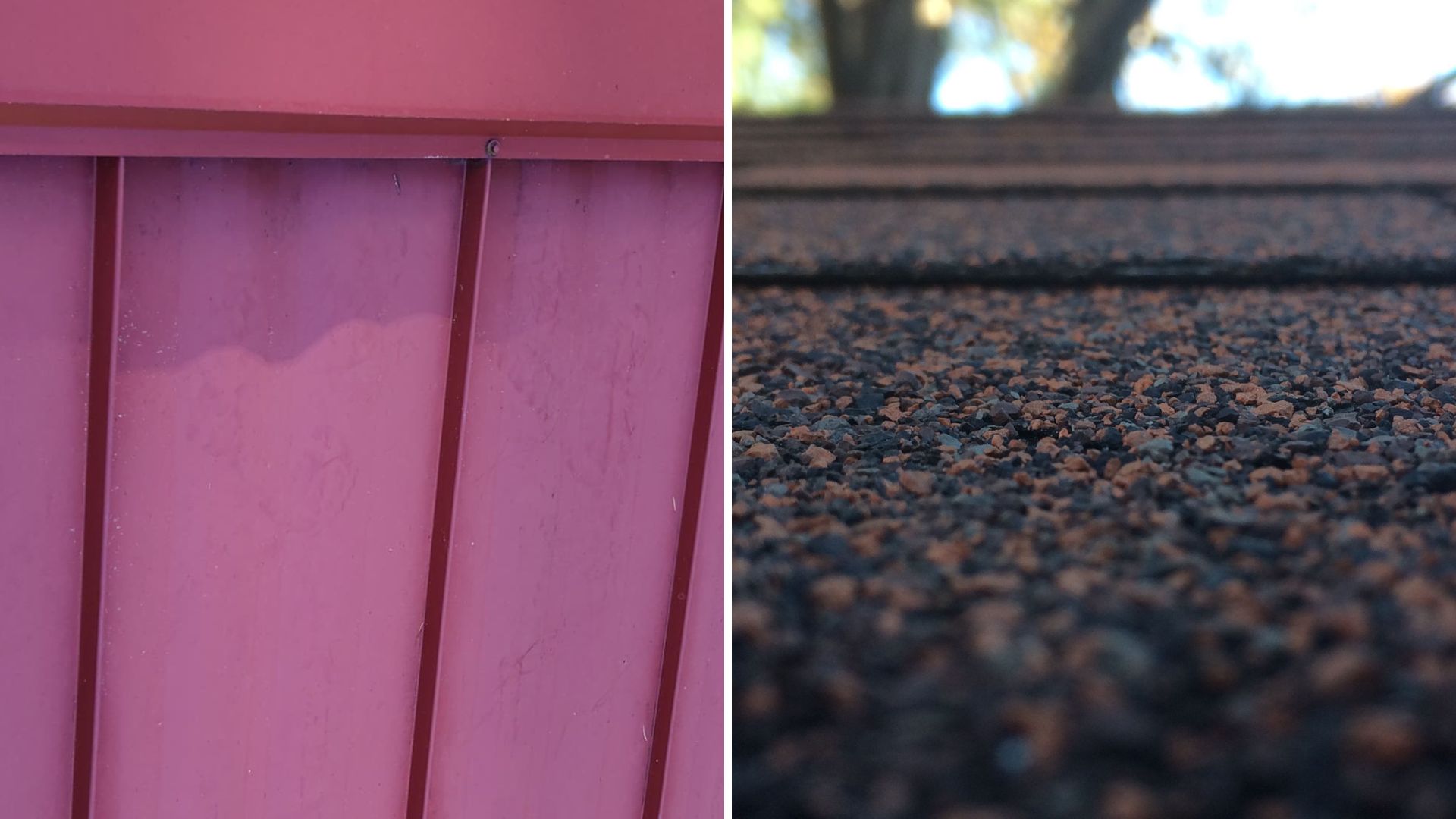
A metal roof is a roofing system built from interlocking steel or aluminum panels, or from metal shingles, fastened together into one tight, water-shedding surface. Most homes in our area use standing seam panels, which lock together with hidden fasteners. With no exposed screws or nails, there are fewer spots for water to work its way in over the years.
That matters in Southwest Washington. Our long rainy stretches and shaded, tree-lined lots are hard on roofs, and metal handles both well. The smooth surface sheds water fast and gives moss and algae very little to hold onto, so a metal roof tends to stay cleaner with far less scrubbing than other materials.
Metal roofing systems are also built for the long haul. They stand up to heavy rain, wind, and the occasional snow load, and lighter finishes reflect some of the sun’s heat, which can help with energy use. The trade-off is a higher upfront cost, which is why metal is often the choice for homeowners who plan to stay put and want a roof they may never have to replace.
What Are Architectural Shingles?
Architectural shingles are a layered asphalt shingle, made from a fiberglass base coated in asphalt and finished with mineral granules. The extra layers give them a thicker, dimensional look and more durability than the older three-tab shingles you see on a lot of older homes.
For many Southwest Washington homeowners, architectural shingles are the familiar, proven choice. They come in a wide range of colors and profiles, so they blend in naturally whether your home is a classic Clark County rambler or a newer build. They also work with almost any roof shape and pitch, which keeps installation straightforward on most homes.
In our damp, shaded climate, the main thing to watch is moss. Shingles hold a bit more surface moisture than metal, so north-facing and tree-covered slopes can grow moss over time. Picking shingles with algae-resistant granules and keeping up with occasional cleaning goes a long way toward protecting them. They cost less upfront than metal, which makes them a practical fit for homeowners who want a quality roof without the larger initial investment.
With a sense of what each material is, the next question is how they actually stack up side by side.
Metal Roof vs Shingles: How They Compare for Washington Homes
When homeowners weigh a metal roof vs shingles, a few factors decide it: how long each one lasts, what it costs, how it handles our weather, and how much upkeep it needs. The table below sums up the differences, and the sections after it explain what each one means for your home.
| Factor | Architectural Shingles | Metal Roof | Why It Matters in Washington |
|---|---|---|---|
| Lifespan in Our Climate | Around 20 years, longer with upkeep | 50 to 70+ years | Metal can outlast two or three shingle roofs |
| Upfront Cost | Lower | Higher | Shingles cost less now; metal costs less per year over time |
| Moss & Algae Resistance | More prone; needs treatment | Naturally resistant | The biggest factor in our damp, shaded climate |
| Wind & Snow | Rated 110 to 130 mph | Handles high wind and snow load | Both hold up well in our typical weather |
| Maintenance | Moderate; moss care and checks | Minimal | Less upkeep means fewer costs down the road |
| Energy Efficiency | Good; lighter colors help | Better; reflects more heat | Savings are modest here, but every bit helps |
| Curb Appeal | Wide range of colors and styles | Clean, modern profile | The best look depends on your home’s style |
Lifespan
Lifespan is where the two materials separate the most.
- Metal roofing: 50 years or more
- Architectural shingles: around 20 years, sometimes longer with regular maintenance
That shingle range is often shorter than the 25 to 30 years you see advertised, because our steady moisture and moss are harder on asphalt than the drier conditions those numbers assume. The takeaway is simple: one metal roof can outlast two or even three shingle roofs, which is worth weighing if you plan to stay in your Clark County home for decades.
Cost Considerations
Cost usually runs the opposite way from lifespan. Architectural shingles cost noticeably less to install, which is a big reason they are still the most common roof in the region. Metal roofing costs more upfront, sometimes considerably more, but it tends to even out over the years because it lasts so much longer and needs fewer repairs along the way. For homeowners who want a longer-term roof without paying all at once, financing options are available to spread the cost over time. The right choice depends less on the sticker price and more on how long you plan to keep the home.
Weather Performance in Washington
Both roofs are built for Pacific Northwest weather, but they handle our conditions a little differently.
- Rain: Both shed water well; metal sheds it the fastest.
- Wind: Shingles are commonly rated 110 to 130 mph; standing seam metal handles strong gusts with no exposed edges to catch.
- Snow: Metal sheds snow load easily, and shingles hold up fine under our occasional snow.
- Moss: Metal resists it naturally; shingles do best with algae-resistant granules and an occasional cleaning.
For most homes here, both materials perform well, so weather alone is rarely the deciding factor.
Maintenance
The upkeep gap between the two is real, and it favors metal.
- Metal roofing: minimal upkeep, mostly an occasional check of the fasteners and the sealant around roof penetrations, plus clearing debris from the valleys and gutters.
- Architectural shingles: more hands-on, including periodic moss treatment on shaded, north-facing slopes, regular checks for granule loss and worn flashing, and the occasional spot repair as the roof ages.
Whichever material you choose, a professional roof inspection every year or two is the simplest way to catch small problems before they turn into expensive ones.
Energy Efficiency
Your roof affects your energy bills more than most homeowners expect. Metal reflects more of the sun’s heat than asphalt, which can ease the load on your cooling system in summer, and lighter shingle colors reflect more heat than dark ones. Southwest Washington leans more on heating than cooling, so the everyday savings are usually modest, but a reflective roof still helps, especially paired with good attic insulation and ventilation. For more detail, the U.S. Department of Energy keeps a helpful guide to energy-efficient roof products.
Curb Appeal and Style
Both materials can look great, so the better fit comes down to your home’s style and the look you want for the next few decades. Architectural shingles come in a wide range of colors, profiles, and textures, including options that mimic wood shake or slate at a fraction of the price, and they blend in easily with traditional and newer Clark County homes. Metal roofing offers a cleaner, more modern profile and comes as standing seam, metal shingles, or stone-coated panels, and it keeps gaining popularity across the region.
Long-Term Property Value
A new roof of either type adds value and reassures buyers they will not face a big replacement anytime soon. Metal can carry a little extra appeal at resale thanks to its long remaining lifespan and energy benefits, which is a real selling point if you expect to list in the next ten to twenty years. For homeowners planning to stay for good, both materials protect that investment well. Metal simply does it for longer.
Why You Should Get a Professional Inspection Before You Choose a Roof Material
Picking between a metal roof and shingles is a big call, and the smartest first move is not shopping materials. It is taking a good look at the roof you already have. A professional roof inspection shows you what is really going on up there, and what it finds can point you toward one material over the other.
Here is why a professional roof inspection should be scheduled first:
- Checks the condition of your decking and framing, so you know whether a metal roof or shingles is the better fit for your home.
- Uncovers hidden moisture damage or structural wear that can change the project’s scope and cost.
- Flags low-slope areas or complex rooflines that may call for a specific installation approach.
- Documents any existing damage, which can support an insurance claim when storm-related wear is involved.
An inspection also sets up the work itself. Whether you lean toward architectural shingles or metal, it confirms the deck and underlayment are sound before anything new goes on, which protects the lifespan of your new roof and keeps a roof replacement running on schedule and on budget.
FAQs About Metal Roof vs Shingles
Is a metal roof louder than shingles in the rain?
How long does a roof replacement take?
Does homeowners insurance cover a roof replacement?
Can a metal roof be installed over my existing shingles?
Will a metal roof rust in our wet climate?
How do I keep moss off my roof?
Is a metal roof louder than shingles in the rain?
No. A properly installed metal roof is not noticeably louder than shingles. Modern residential metal goes over solid decking, underlayment, and attic insulation, all of which absorb sound. The loud-metal-roof idea comes from old barn-style panels fastened straight to open framing, which is not how homes are roofed today.
How long does a roof replacement take?
Most residential roof replacements take one to three days. The exact timeline depends on your home’s size, the complexity of the roof, and the material, since metal panels often take a little longer to fit than shingles. A reliable roofing crew will walk you through a clear schedule before the work begins.
Does homeowners insurance cover a roof replacement?
It depends on your policy and what caused the damage. Sudden storm damage from wind or hail is often covered, while gradual wear and age-related breakdown usually are not. It is worth reviewing your coverage with your insurer, and a licensed roofing contractor can document any damage to help support your claim.
Can a metal roof be installed over my existing shingles?
Sometimes it can, but a full tear-off is usually the better choice. Installing over old shingles adds weight that many older homes were not built for, and it hides any deck damage underneath. Removing the old roof first lets the crew check and repair the deck, which protects whichever new roof goes on top.
Will a metal roof rust in our wet climate?
Not when it is made from modern coated materials. Today’s residential metal roofs use coated steel or aluminum with finishes built to resist corrosion, even through our steady Pacific Northwest rain. The rust you might picture comes from old, uncoated panels, not the systems installed on homes here today.
How do I keep moss off my roof?
Start by letting in light and air: trim overhanging branches and keep the roof clear of leaves and debris, since moss loves shade and trapped moisture. Zinc or copper strips near the ridge help prevent regrowth, and a gentle professional cleaning handles moss that has already taken hold. Our guide to roof moss damage in Southwest Washington covers more.
Make the Right Roofing Decision for Your Washington Home
The right roof comes down to your home, your budget, and how long you plan to stay. If you want a lower upfront cost and plenty of style choices, architectural shingles are a dependable, proven option. If you are thinking decades ahead and want the longest life with the least upkeep, a metal roof is the stronger long-term choice, especially against our local moss.
Alfred’s Roofing is glad to walk you through both options with no pressure and no guesswork. A roof inspection gives you a clear picture of what your home actually needs before you commit to anything. Whenever you are ready, reach out to our team for a free estimate, or call us at (360) 504-4685.
